Calgary's Housing Market Shifts as Winter Approaches – What Buyers and Sellers Need to Know
Published November 4, 2026 | By Hanney Nelson Real Estate Group
Calgary's real estate market continues to evolve as we move toward the end of 2026. According to the latest statistics released by the Calgary Real Estate Board (CREB®), October saw fewer home sales, declining inventory, and a growing divide between the detached housing market and higher-density properties such as condominiums and townhouses.
While Calgary home prices have remained relatively stable overall, buyers are finding more negotiating opportunities in certain segments of the market.
The biggest takeaway? Calgary is not experiencing one single housing market. Conditions vary significantly depending on property type, price range, and neighbourhood.
For anyone considering buying, selling, or investing in Calgary real estate, understanding these differences is essential.
Calgary Real Estate Market Statistics – October 2026
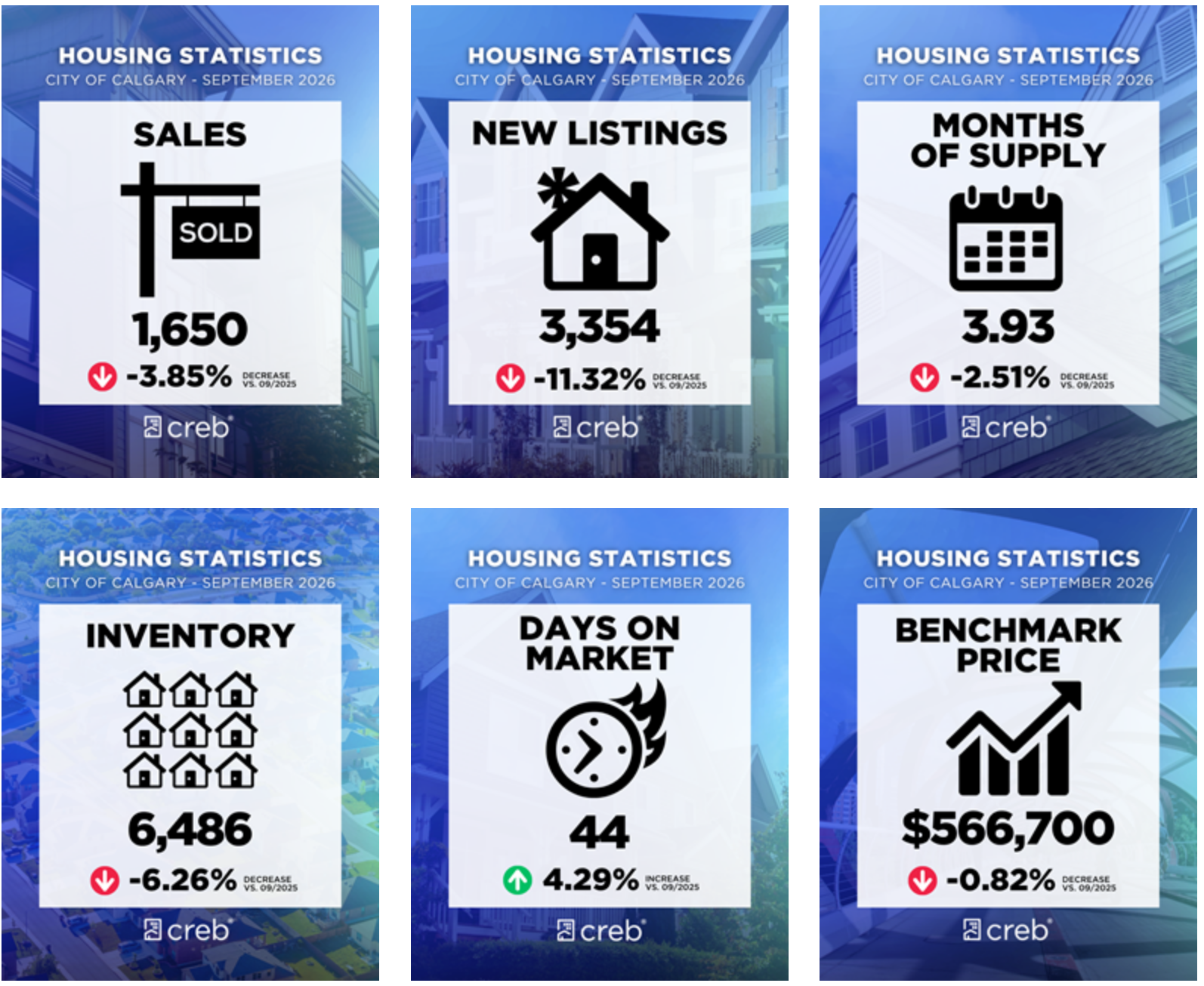
Here is a snapshot of Calgary's residential real estate market compared with October 2025.
Calgary recorded 1,592 residential sales in October, representing a decline of more than 15% compared with the same month last year.
Despite slower sales, the number of available homes also declined. Inventory reached 6,173 properties, approximately 4.6% below October 2025 levels.
The city's residential benchmark price was $564,200, just 0.35% lower than a year earlier.
These figures suggest that while market activity has cooled, Calgary's overall home prices have remained relatively resilient.
Calgary Home Prices by Property Type – October 2026
One of the most important trends in Calgary's housing market is the difference in performance between property types.
Detached and semi-detached properties continue to demonstrate greater price stability, while apartment condominiums and townhouses face more competition and downward pricing pressure.
This is particularly important for buyers and sellers evaluating properties in Calgary's southeast communities, inner-city neighbourhoods, and growing suburban areas.
Detached Homes in Calgary Remain Relatively Stable
Calgary's detached housing market continues to show resilience despite slower sales activity.
In October 2026:
847 detached homes sold.
The benchmark price was $735,100.
Prices declined just 0.72% compared with October 2025.
Inventory reached 2,832 homes.
Months of supply stood at 3.34.
Detached home prices have held up considerably better than condominium and townhouse prices.
However, conditions vary across the city.
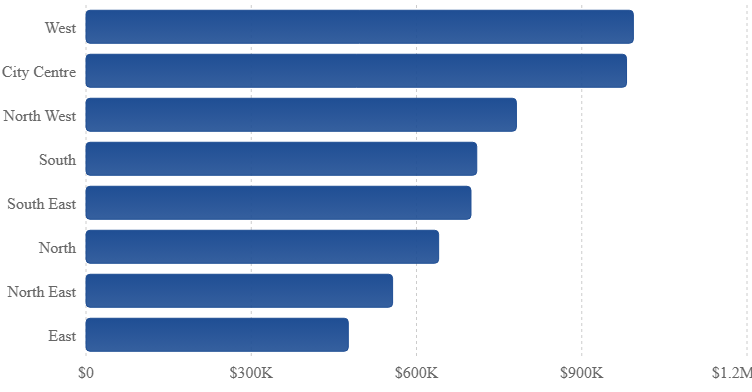
Calgary's City Centre and West districts have demonstrated stronger price performance, while the North East, North, and East districts have experienced more noticeable price adjustments.
What this means for buyers: There may be opportunities to negotiate, particularly on homes that have been listed for an extended period.
What this means for sellers: Well-presented detached homes that are priced appropriately can still attract serious buyers, but pricing based on previous peak market conditions may result in longer selling times.
For homeowners in communities such as Douglasdale, McKenzie Lake, Cranston, Auburn Bay, and Mahogany, understanding recent comparable sales within the specific neighbourhood is far more valuable than relying on Calgary-wide averages.
Calgary Condo Market – More Opportunities for Buyers
Calgary's apartment condominium market continues to experience some of the most significant price adjustments.
The October 2026 statistics show:
Benchmark condominium price: $288,800
Annual price decline: 7.94%
Condominium sales: 320
Active condominium listings: 1,691
Months of supply: 5.28
Condominium prices are now approximately 15% below their August 2024 peak.
Several factors are contributing to this adjustment, including increased competition from newly constructed properties, greater rental housing availability, and slower demand for resale apartments.
Is Now a Good Time to Buy a Condo in Calgary?
For first-time homebuyers and investors, the current condominium market may present opportunities that were less common during Calgary's stronger seller's market.
Buyers may benefit from:
A greater selection of available condominiums.
More flexibility when negotiating purchase prices.
Opportunities to include financing and inspection conditions.
Potential value in properties that have experienced recent price reductions.
However, purchasing a condominium requires careful consideration of condominium fees, reserve fund health, building maintenance, insurance costs, and future resale potential.
Our perspective: A lower purchase price does not automatically make a condominium a better investment. Building quality, location, monthly carrying costs, and long-term ownership plans remain essential.
For those researching downtown Calgary condos, East Village, Beltline, or other inner-city condominium communities, comparing individual buildings and recent sales is particularly important.
Calgary Townhouse Market – Prices Continue to Adjust
Townhouses and row-style properties have also experienced downward price pressure.
October 2026 townhouse statistics include:
Benchmark price: $407,500
Annual price decline: 5.12%
Total sales: 241
Active listings: 1,069
Months of supply: 4.44
Competition from newly built homes and an increase in rental housing options have contributed to softer demand for resale townhouses.
For buyers looking for more space than a traditional apartment condominium, townhouses may offer an attractive alternative.
Communities such as McKenzie Towne, Copperfield, New Brighton, Legacy, and Seton offer a variety of townhouse options across different price ranges.
Buyers should compare resale townhouses with available new construction, while also considering condominium fees, possession dates, warranties, and location.
For sellers, professional marketing, presentation, and accurate pricing are increasingly important when competing with both resale and newly constructed properties.
Calgary's Housing Inventory – Is It a Buyer's Market?
Calgary finished October with 6,173 active residential listings and 3.88 months of supply.
Months of supply measures how long it would take to sell the current inventory at the existing monthly sales pace, assuming no additional listings were added.
Although there is no universally applicable threshold, a higher number generally indicates more choice and negotiating power for buyers.
October's numbers reveal important differences:
Calgary's housing market is becoming more balanced overall, but certain segments are already offering buyers substantially more negotiating power.
What Does the October 2026 Calgary Market Mean for Homebuyers?
For buyers who have been waiting for Calgary's real estate market to become less competitive, current conditions may provide an opportunity.
Unlike the exceptionally competitive periods of recent years, some buyers now have more time to evaluate properties and negotiate terms.
Three important considerations stand out.
1. Property type matters. Buyers searching for condominiums and townhouses may find more negotiating flexibility than those shopping for detached homes in desirable neighbourhoods.
2. Neighbourhood-level pricing matters. A price decline in one Calgary district does not necessarily mean values are falling at the same rate in another.
3. Long-term affordability matters. Buyers should consider mortgage payments, property taxes, condominium fees where applicable, maintenance, and future resale potential rather than focusing exclusively on the purchase price.
Working with an experienced Calgary REALTOR® who understands local market conditions can help identify opportunities that may not be obvious from citywide statistics.
What Does the October 2026 Calgary Market Mean for Home Sellers?
For homeowners considering selling in Calgary, the market is becoming more price-sensitive.
Buyers generally have more choices, particularly in the condominium and townhouse segments.
Successful sellers should focus on three priorities:
Accurate pricing: Review recently sold comparable properties rather than relying on asking prices or historical market peaks.
Professional presentation: High-quality photography, effective staging, detailed property descriptions, and strong online marketing can help a listing stand out.
Targeted exposure: Reaching the right buyers through real estate websites, search engines, social media, and video marketing is increasingly important.
At Hanney Nelson Real Estate Group, we believe successful real estate marketing begins with understanding the individual property, its location, and the buyers most likely to be interested.
A well-developed marketing strategy can make a meaningful difference when buyers have multiple properties to choose from.
Southeast Calgary Real Estate – Why Local Market Knowledge Matters
Southeast Calgary continues to offer a broad range of housing options, from established family neighbourhoods to newer master-planned communities.
Popular communities include:
Douglasdale and Douglas Glen: Established residential communities with access to parks, pathways, shopping, and major transportation routes.
McKenzie Lake: A mature lake community offering a variety of detached homes and family-oriented amenities.
McKenzie Towne: A community with diverse housing options, including detached homes, townhouses, and condominiums.
Copperfield and New Brighton: Popular southeast neighbourhoods offering family housing across multiple price points.
Cranston: A community known for its access to Fish Creek Provincial Park and the Bow River valley.
Auburn Bay and Mahogany: Lake communities with recreational amenities and a range of housing options.
Seton: A growing urban district with condominiums, townhouses, detached homes, shopping, recreation, and healthcare amenities.
While Calgary's overall benchmark price provides a useful starting point, each of these communities has its own inventory levels, buyer demand, and recent sales activity.
Important: The citywide October statistics do not establish that prices rose or fell by the same percentages in these individual neighbourhoods.
A community-specific market evaluation is the best way to understand what a particular home may be worth.
Calgary Real Estate Market Outlook – What to Expect Heading Into Winter 2026
As Calgary enters the final months of 2026, seasonal trends typically bring fewer new listings and lower transaction volumes.
The October statistics suggest several developments worth monitoring.
Detached and semi-detached housing prices have remained relatively stable, while apartment condominiums and townhouses continue to face greater supply-related challenges.
Calgary's inventory has also declined as winter approaches, which may help limit further pricing pressure in some market segments.
However, the direction of prices will continue to depend on buyer demand, borrowing costs, employment conditions, new construction, and the availability of resale properties.
Rather than assuming Calgary's entire market will rise or fall together, buyers and sellers should evaluate conditions by property type, neighbourhood, and price range.
Frequently Asked Questions About Calgary Real Estate – October 2026
What is the average home price in Calgary in October 2026?
The average residential sale price in Calgary was $640,769 in October 2026. The residential benchmark price, which tracks the price of a typical home, was $564,200. These are different measures, and the benchmark price is generally more useful for tracking market trends.
Are Calgary home prices dropping in 2026?
Some Calgary home prices are declining, but the changes vary by property type. In October 2026, the overall benchmark price was down just 0.35% year over year. Apartment condominium prices declined 7.94%, while detached home prices decreased 0.72%.
Is Calgary currently a buyer's or seller's market?
Calgary's overall housing market is relatively balanced, with 3.88 months of supply in October 2026. However, apartment condominiums and townhouses offer more buyer-friendly conditions than detached and semi-detached properties.
What is the benchmark price of a detached home in Calgary?
The benchmark price of a detached home in Calgary was $735,100 in October 2026, representing a 0.72% decrease compared with October 2025.
Are Calgary condo prices falling?
Yes. Calgary's apartment condominium benchmark price declined 7.94% year over year to $288,800 in October 2026. Increased supply and competition from new construction and rental housing have contributed to the downward pressure.
Is 2026 a good time to buy a home in Calgary?
For some buyers, 2026 offers improved selection and negotiating opportunities, particularly in the condominium and townhouse markets. Whether it is a good time to purchase depends on affordability, financing, property condition, location, and long-term plans.
How long does it take to sell a home in Calgary?
The overall reported days on market was 43 days in October 2026. Actual selling times vary depending on the property type, neighbourhood, price, condition, and marketing strategy.
Which Calgary neighbourhoods are best for families?
Popular family-oriented communities include McKenzie Lake, Douglasdale, Cranston, Auburn Bay, Mahogany, McKenzie Towne, Copperfield, and New Brighton. The best choice depends on budget, schools, commuting needs, housing preferences, and lifestyle.
Thinking About Buying or Selling in Calgary?
Whether you're buying your first home, considering an investment property, moving to a larger home, or preparing to sell, understanding Calgary's changing market conditions can help you make a more informed decision.
At Hanney Nelson Real Estate Group, we combine more than 25 years of Calgary real estate experience with local market knowledge, professional marketing, and a client-focused approach.
As Calgary real estate specialists with Royal LePage Mission, we help buyers and sellers navigate the market with confidence.
From southeast Calgary's family communities to inner-city condominiums and investment properties, our team is here to help.
Want to know what your Calgary home is worth in today's market?
Contact Hanney Nelson Real Estate Group for a personalized home evaluation or to discuss current buying opportunities.
Visit: https://hanneynelson.com
Source: Calgary Real Estate Board (CREB®), October 2026 City of Calgary Monthly Statistics Package, released November 2, 2026. Statistics reflect Calgary city limits unless otherwise noted. Market conditions and property values vary by location and property type. The market commentary in this article is provided by Hanney Nelson Real Estate Group and is not a forecast or guarantee of future performance.
Official CREB® report: https://www.creb.com/Housing_Statistics/documents/10_2026_Calgary_Monthly_Stats_Package.pdf